Generate Lease Agreement
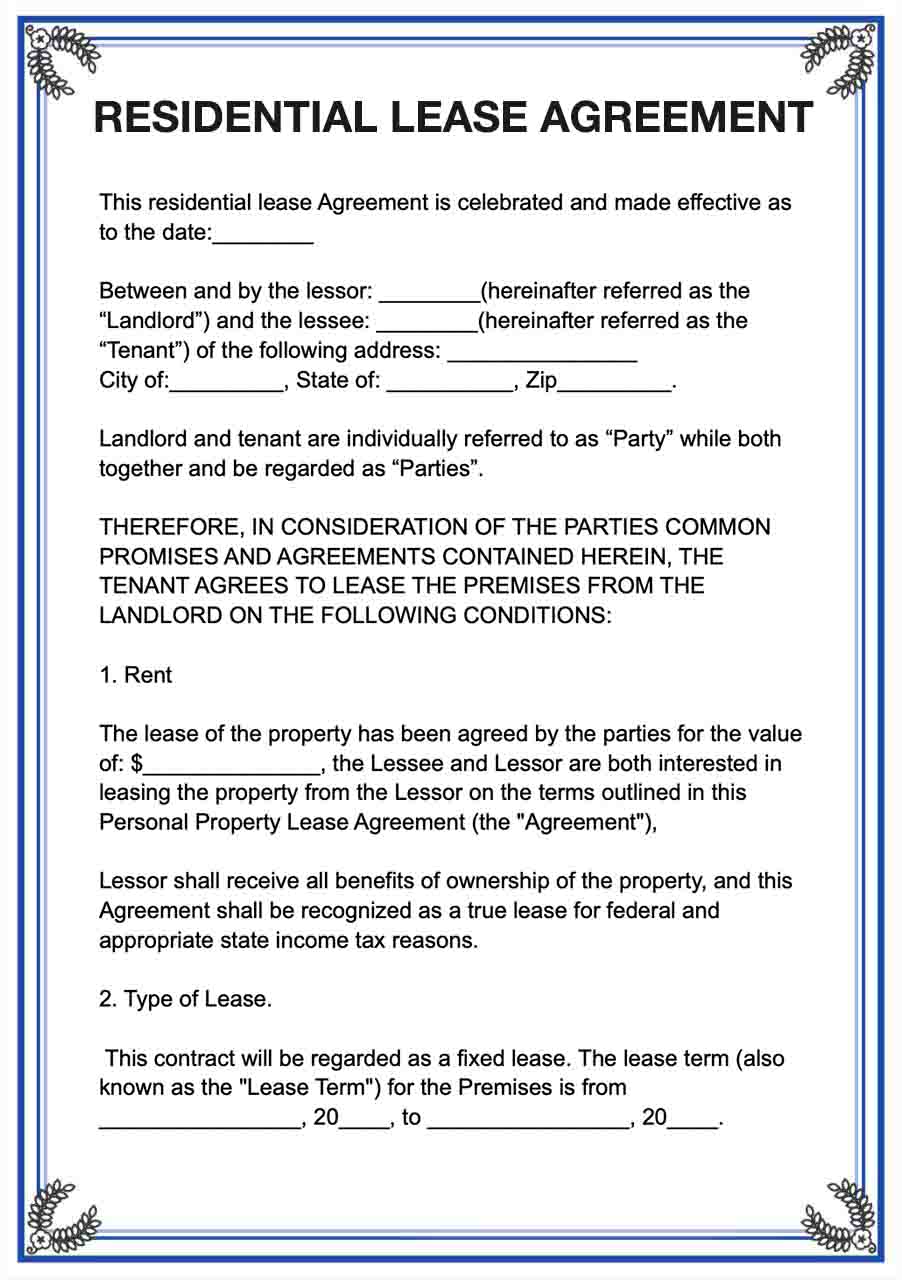
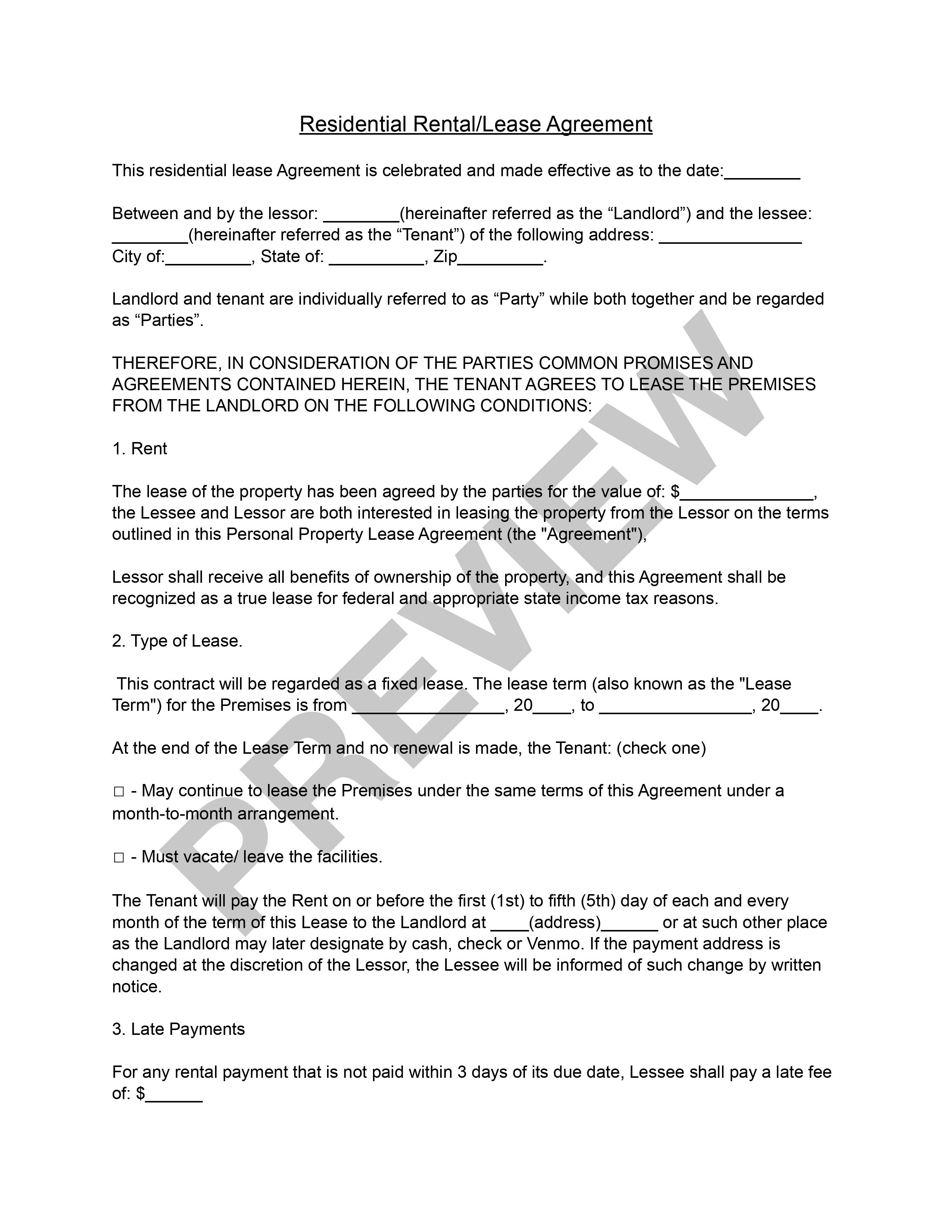
A Lease Agreement is a legally binding contract between a landlord and a tenant that outlines the terms and conditions for renting a property. Select the type of lease that best fits your needs.
What type of Lease Agreement do you need?
Select the lease agreement that applies to your situation.Last Updated February 2023
What is a Lease Agreement?
A Lease Agreement is a legally binding contract between a landlord and a tenant that outlines the terms and conditions for renting a property. It establishes each party's rights and responsibilities and helps prevent disputes by clearly defining expectations around rent, maintenance, and use of the property.
Residential vs. Commercial Lease Agreement
The two most common types of lease agreements are residential and commercial. Understanding which one applies to your situation is important, as they differ significantly in their terms, legal protections, and requirements.
Residential Lease Agreement: Used when renting a property for living purposes, such as a house, apartment, condo, or townhome. Residential leases are heavily regulated by state landlord-tenant laws, which often include protections for tenants regarding security deposits, habitability standards, and notice periods.
Commercial Lease Agreement: Used when renting a property for business purposes, such as an office space, retail store, restaurant, or warehouse. Commercial leases are generally less regulated and more negotiable than residential leases. They often include additional provisions for CAM fees, tenant improvements, permitted use, and lease structures such as gross or triple net (NNN).
What should I include in a Lease Agreement?
Property description: The full address and a description of the property being rented.
Landlord and tenant information: Full legal names and contact details of both parties.
Lease term: The start and end dates of the lease, or whether it is month-to-month.
Rent and payment terms: The monthly rent amount, due date, accepted payment methods, and any late fees.
Security deposit: The amount of the deposit, conditions for its return, and any deductions allowed.
Rules and restrictions: Pet policies, smoking rules, guest policies, and any other use restrictions.
Maintenance responsibilities: Who is responsible for repairs, lawn care, utilities, and upkeep of the property.
Frequently Asked Questions
A lease is typically a fixed-term agreement (commonly 6 months or 1 year) that cannot be changed by either party until it expires. A rental agreement is usually month-to-month and can be modified or terminated with proper notice. Both are legally binding contracts, but leases offer more stability while rental agreements offer more flexibility.
Most residential lease agreements do not need to be notarized to be legally valid. They simply need to be signed by both the landlord and the tenant. However, some states may require notarization for leases exceeding a certain term length. Commercial leases, especially long-term ones, may also benefit from notarization. Always check your state's specific requirements.
A landlord can only break a lease under limited circumstances, such as if the tenant violates the terms of the agreement (e.g., non-payment of rent or illegal activity on the premises). Otherwise, the landlord is bound by the lease for its full term. Prematurely breaking a lease without legal grounds can expose the landlord to legal liability.
When a lease expires, the parties can sign a new lease, negotiate new terms, or allow the tenancy to convert to a month-to-month arrangement. If neither party takes action and the tenant continues to pay rent and the landlord continues to accept it, most states will treat the tenancy as a month-to-month rental at the same terms as the expired lease.
Security deposit limits vary by state. Many states cap residential security deposits at one or two months' rent. Some states have no limit. Commercial security deposits are generally unregulated. Landlords are also typically required by state law to hold the security deposit in a separate account and return it within a specified number of days after the tenancy ends, minus any allowable deductions.