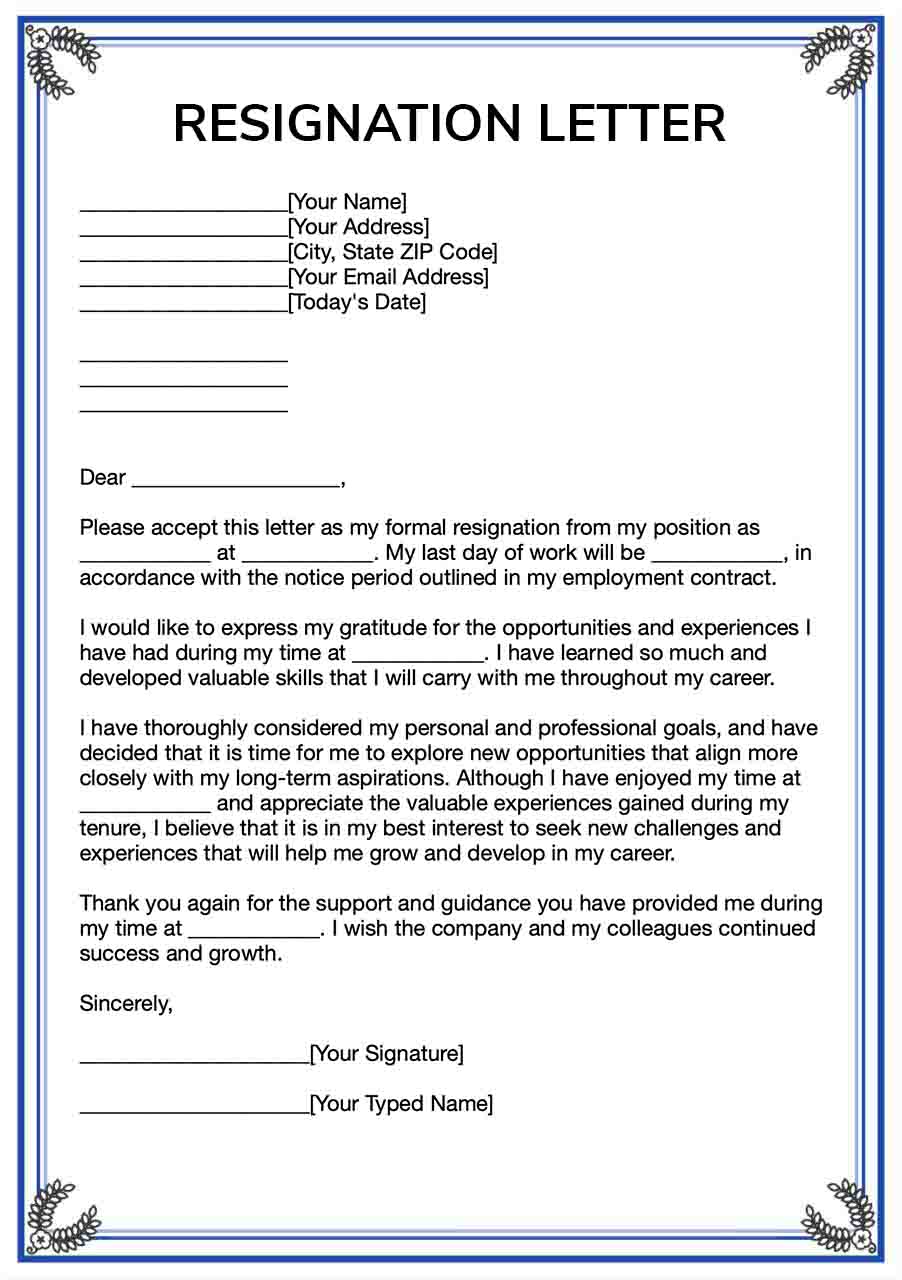
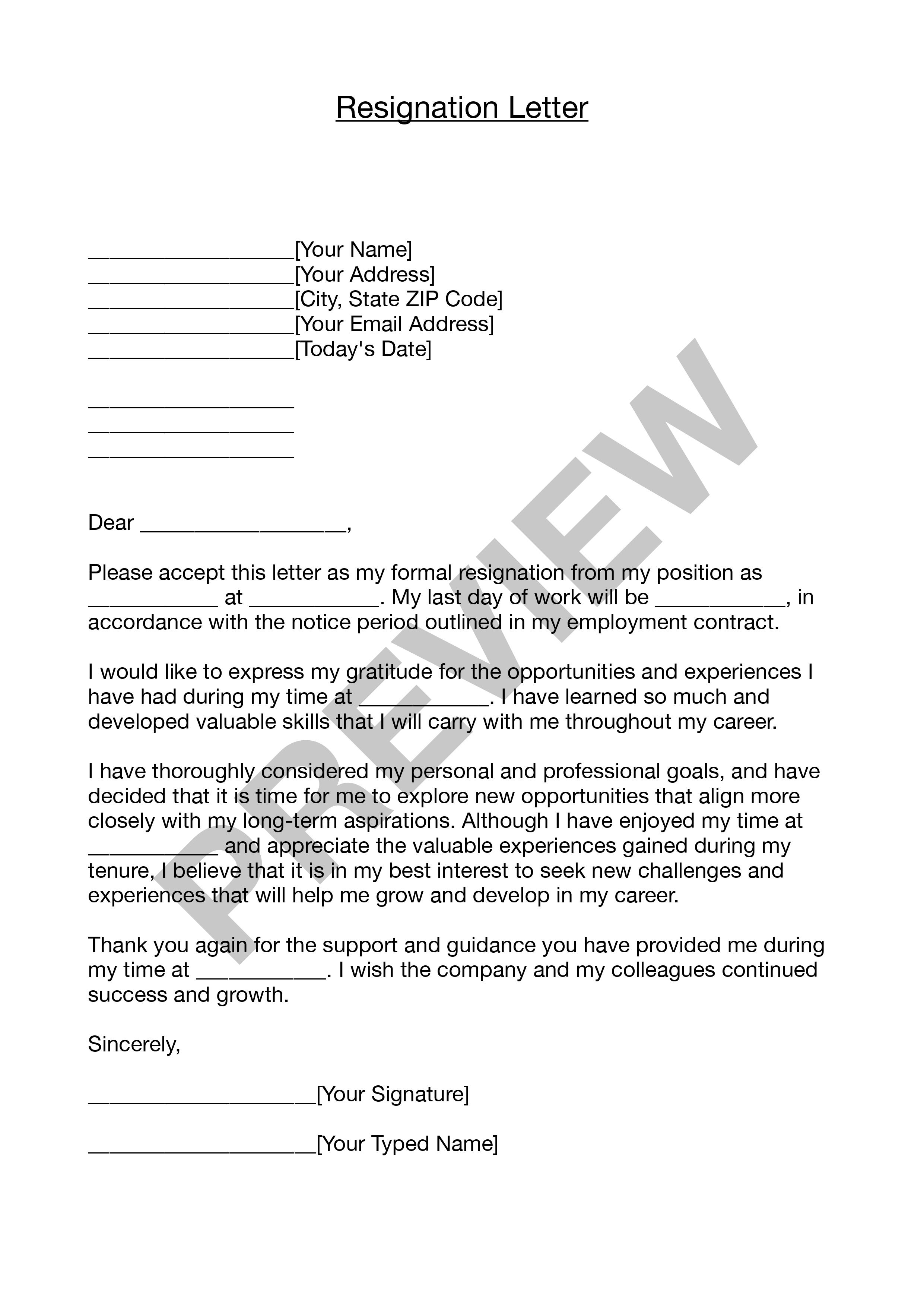
Generate Resignation Letter
A resignation letter is a formal document that an employee submits to their employer to announce their intention to leave the company. It provides official notice and ensures a professional departure.
Why are you resigning?
Select your reason to get started.Last Updated February 2023
Alternative names:
Letter of Resignation Notice of Resignation Resignation Notice Job Resignation LetterWhat is a Resignation Letter?
A resignation letter is a formal document that an employee submits to their employer to announce their intention to leave the company. It typically includes the employee's name, job title, and the date of their intended last day of work. In the letter, the employee may provide reasons for their resignation, although this is not always necessary or appropriate.
The resignation letter is an important part of the process of leaving a job, as it serves as a written record of the employee's decision to leave. It also provides the employer with notice of the employee's departure, which allows the company to plan for a replacement and ensure a smooth transition.
In general, it is considered good practice to provide a resignation letter to your employer, even if it is not required by your employment contract. The letter should be written in a professional tone and should express gratitude for the opportunity to work at the company.
Who needs a Resignation Letter?
Any employee who intends to resign from their job should submit a resignation letter to their employer. It is considered a professional and courteous way to inform your employer of your intention to leave the company and to begin the process of transitioning your responsibilities to someone else.
Submitting a resignation letter is especially important if your employment contract or company policy requires you to give notice before leaving your job. Even if there is no requirement to submit a resignation letter, it is still a good idea to do so as a matter of professional courtesy.
What should I include in my Resignation Letter?
Date: The date on which the letter is written.
Addressee: The name and title of the person you are addressing the letter to.
Statement of resignation: A clear and concise statement that you are resigning from your position.
Intended last day of work: The date you intend to work until. The standard notice period is usually two weeks.
Reason for resignation: You may include a brief explanation of why you are resigning.
Appreciation: A statement expressing your appreciation for the opportunities and experiences gained during your time at the company.
Contact information: Your contact information so that your employer can contact you if needed.
Frequently Asked Questions
It's generally recommended to deliver your resignation letter in person, especially if you have a good working relationship with your supervisor or manager. This shows respect and professionalism, and allows you to have a face-to-face conversation about your resignation. After delivering it in person, follow up with an email or formal letter to document your resignation.
It's generally recommended to give at least two weeks' notice before resigning, but this can vary depending on your company's policies and your job responsibilities. Check your employment contract or company policies to see if there are any specific notice requirements. Giving sufficient notice allows your employer to plan for your departure and shows professionalism.
Providing reasons for resigning in your letter is optional. If you do decide to include reasons, it's important to be honest and professional. Keep in mind that your resignation letter may become a part of your employment record, so it's important to be thoughtful and considerate in what you choose to include.
Generally, you should send your resignation letter to your immediate supervisor or manager. You may also want to consider copying HR or other relevant parties. If you're unsure who to send it to, you can always ask your supervisor or HR representative for guidance.
Resigning can have both positive and negative consequences. On the positive side, you may have more time to pursue other interests, find a job that better fits your skills, or take a break to recharge. On the negative side, you may face financial instability if you don't have another source of income lined up, or lose some benefits. It's important to carefully consider your decision and have a solid plan in place before resigning.