
A temporary power of attorney is a regular POA that you deliberately limit to a short, defined time window—for example, June 1–August 31, 2026. It is not a separate “magic” document type.
You simply draft a standard legal document with clear start and end dates so your agent can act on your behalf only during that window, and authority expires automatically once the period closes.
Table of Contents
- What Is a Temporary Power of Attorney?
- Temporary vs. General, Limited, and Durable Powers of Attorney
- When a Temporary Power of Attorney Makes Sense
- How to Draft the Time Limits in a Temporary POA
- Defining the Agent’s Authority Without Over‑Granting Power
- State Law, Legal Requirements, and Practical Risks
- Using Documentify to Create a Time‑Bound Power of Attorney
- Key Takeaways
- FAQ
- How long can a temporary power of attorney last?
- Can a temporary power of attorney be durable?
- Can I revoke a temporary power of attorney before the end date?
- Do I need a lawyer to create a temporary power of attorney?
- What happens if my temporary POA expires while a transaction is still in progress?
What Is a Temporary Power of Attorney?

A temporary power of attorney is a standard POA you intentionally limit by time—such as “effective from March 1, 2026, through March 31, 2026″—so an agent can act for you only during that window.
The document still names a principal, appoints an agent (also called an attorney in fact), and defines agent authority, just like any other power of attorney form. For the fuller basics on how any power of attorney works, see our “What Does Power of Attorney Mean?” guide.
- A limited power of attorney usually restricts the agent to a specific task—for example, closing on a house. A temporary POA restricts when the agent may act. Many real‑world attorney documents combine both limits, narrowing scope and duration at once.
- A temporary power of attorney can cover property and financial decisions, medical treatment decisions (where state law allows a separate medical power of attorney), or a single project. But in every case the document should state the exact start date and the expiration date or termination event.
- The agent for a temporary POA should be a trustworthy and reliable adult—someone you would trust with your own affairs during a temporary absence.
- A temporary power of attorney is useful for specific time-limited purposes and ends automatically after a specified time, which can prevent the need for a court-appointed guardianship.
Temporary vs. General, Limited, and Durable Powers of Attorney
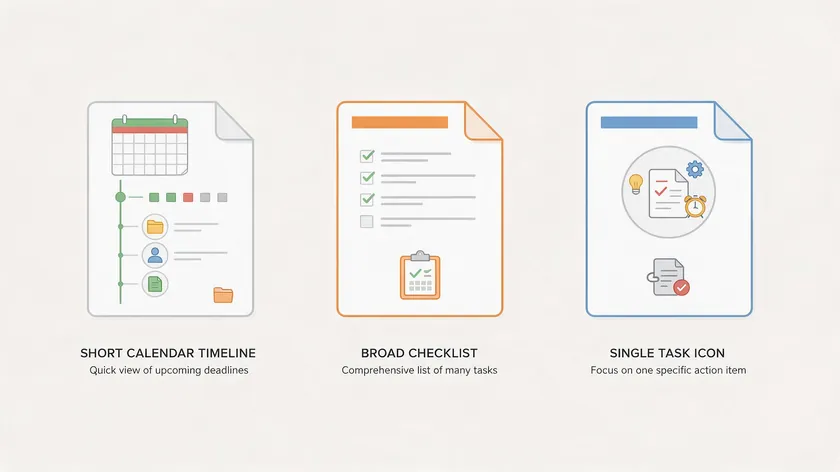
“Temporary” answers how long a POA lasts. “General vs. limited” answers how broad the agent’s powers are. “Durable vs. non‑durable” answers what happens if you become incapacitated. These are separate axes—you can combine them.
| Temporary POA | General Power of Attorney | Limited Power of Attorney | |
|---|---|---|---|
| Typical duration | Defined window (e.g., June 1–Aug 31, 2026) | Indefinite until revoked or death | May or may not include dates |
| Scope of powers | Can be broad or narrow | Broad powers across financial matters | Narrow one task or category |
| Common uses | Travel, deployment, recovery | Ongoing management of all affairs | Single real estate transactions, tax filing |
| Ends when… | Stated end date, event, revocation, or death | Revocation or death | Task completion, stated date, or revocation |
| Works with durable POA? | Yes | Yes | Yes |
A temporary POA can also be drafted as a durable power of attorney—for instance, remaining valid through a six‑month medical recovery even if the principal loses capacity.
A durable power of attorney remains effective if the principal becomes incapacitated, which is a separate choice from the time limit itself. For a full breakdown of that distinction, see our “Durable Power of Attorney vs. Power of Attorney” article.
When a Temporary Power of Attorney Makes Sense

Temporary POAs work best when you know you will be unable to manage your own decisions for a clearly bounded period and you do not want to grant open‑ended authority to any person.
International Travel
A parent traveling abroad from July through September 2026 might need a family member to handle banking, school paperwork, and childcare decisions at home. Temporary POAs are commonly used for childcare during travel, and they allow organization of affairs while the principal is overseas.
Military Deployment
A service member on a nine‑month deployment might grant a spouse temporary power over bill payments, lease renewals, and financial decisions only for that tour, keeping full power over their own affairs once they return.
Scheduled Surgery or Medical Treatment

A patient undergoing a planned medical procedure with a six‑week recovery can grant someone authority to manage medical decisions and insurance claims during that period.
A medical power of attorney allows someone to make health decisions for you, and a temporary power of attorney can help manage affairs during recovery. State medical power of attorney rules apply. To see how a temporary POA compares with other formats, review our “Different Types of Power of Attorney” guide.
Single Business Season or Project
A small‑business owner authorizing a manager to sign contracts and handle payroll for the 2026 holiday season while the owner is out of state. The POA can cover actions like signing contracts or managing finances for a defined business period only.
One Real‑Estate or Tax Event
Using a limited POA to let a trusted agent attend a single closing for real estate transactions or file a 2025 tax return by the April 15, 2026, deadline. The document expires once the task is done or the backstop date passes.
If your needs are ongoing or permanent, a broader general or durable power of attorney might be more appropriate.
How to Draft the Time Limits in a Temporary POA
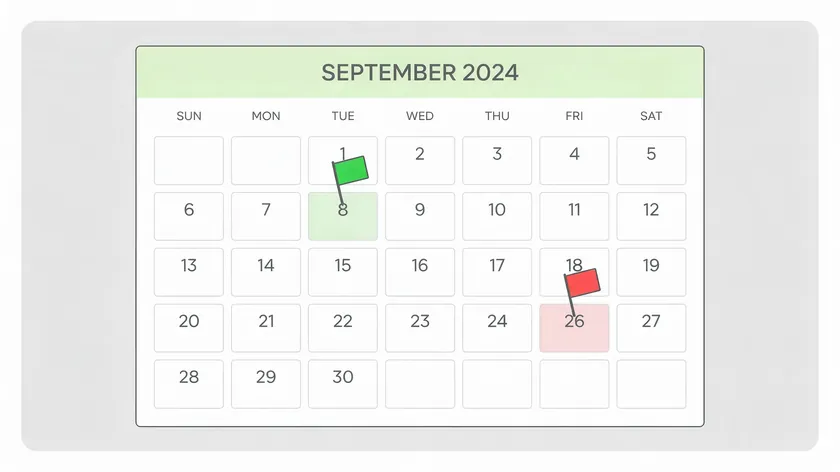
The most important drafting choice in a temporary power of attorney is how you describe when it starts and when it ends. The POA must include an expiration date or event; without one, you risk creating an open‑ended grant.
Setting the Start Date
- Fixed future date: “This power of attorney becomes effective on June 1, 2026.”
- Immediately effective: “This power of attorney takes effect immediately upon execution,” meaning the document is in effect immediately once signed.
- Triggering event (springing power of attorney): A springing power of attorney activates upon a specific event, like incapacity—for example, a doctor’s written certification. Full springing mechanics are a topic of their own.
Setting the End Date
- Specific calendar end date: “…and shall automatically terminate at 11:59 p.m. on August 31, 2026. “Under Minnesota statute § 523.075, if a POA includes an expiration date, it must be stated as a specific month, day, and year—vague phrases like ‘end of summer’ have no legal effect.
- Completion of a task: “…and shall terminate upon completion of the sale and transfer of title to [property address], or on December 31, 2026, whichever occurs first.”
- End of a condition: “…on the date my attending physician determines in writing that I have regained capacity.”
If no end date or end event is included, many states treat the POA as continuing until revoked or until the principal dies—unintentionally turning a “temporary” grant into a long‑term general power. An improperly drafted temporary power of attorney can lead to abuse.
A sample clause in plain English might read: “This grant of authority is limited to managing the checking account at First National Bank ending in ‑1234, paying my monthly rent and utility bills, and does not include authority to make gifts, change beneficiaries, or establish trusts.” Always have a local lawyer review custom language for your state’s requirements.
Defining the Agent’s Authority Without Over‑Granting Power

A time limit alone is not enough. The agent’s powers must be clearly defined in the document so the principal’s best interest is protected.
- Financial authority: Paying specific bills, managing a single bank account, and handling financial matters up to a dollar limit—but not making gifts or changing beneficiaries.
- Real‑estate authority: Signing documents only for a named property, with legal description and address included.
- Business authority: Entering contracts up to defined limits, for a specific business entity, during specified dates.
- Medical decisions: Where permitted by state law, using a separate medical power of attorney form for health‑care decisions—like consenting to surgery or selecting providers.
The document should spell out explicit exclusions: “My agent may not change any beneficiary designations, create or amend any trust, or make gifts on my behalf.”
The principal must select a trusted agent for the POA—choosing an unreliable agent, or leaving the grant too vague, is one of the most common ways temporary POAs are misused.
Because different legal requirements apply by state, check your jurisdiction’s approved attorney forms for property and medical decisions, which may require separate documents.
Clear, narrow drafting protects both the principal and the agent by reducing disputes over scope.
State Law, Legal Requirements, and Practical Risks
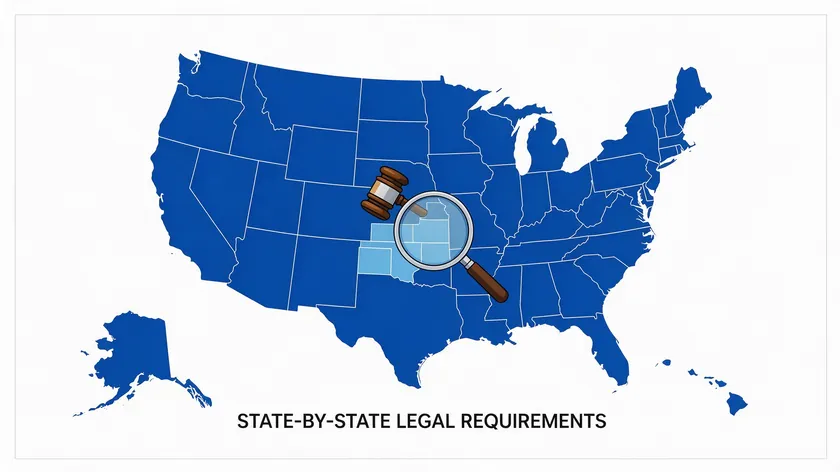
Every state has its own legal requirements for power of attorney documents—who must sign, whether notarization is required, and how default duration works. State laws govern the requirements for establishing a temporary power of attorney, and requirements for temporary POA vary by state jurisdiction.
Legal Requirements to Research in Your State
- Execution formalities: Whether witnesses, a notary public, or both are required. Most states require notarization for the POA to be valid, especially for financial and durable POA forms. The principal must be of sound mind at the time of signing.
- Statutory language: Some states provide optional statutory durable power of attorney or medical power of attorney forms with required warnings or disclosures. At least 31 states have adopted the Uniform Power of Attorney Act, which affects default rules around durability and termination.
- Duration limits: A few states impose default expiration rules on certain limited POAs (for example, DMV or tax forms), while most estate planning POAs remain valid until the end date, revocation, or death.
Practical Risks to Manage
- Agent misuse: Choose a responsible person with a clean financial history. Poorly chosen co-agents or a single unreliable agent can cause serious harm.
- Record‑keeping: The agent should keep receipts, communications, and separate records during the temporary period.
- Institutional rejection: Banks or businesses may refuse a POA form that looks outdated or unclear—even if technically valid. Using current, state‑specific attorney forms reduces this risk.
While many principals can complete basic attorney forms themselves, complex situations—large estates, blended families, multi‑state property—merit advice from an estate‑planning attorney or elder‑law lawyer.
Using Documentify to Create a Time‑Bound Power of Attorney
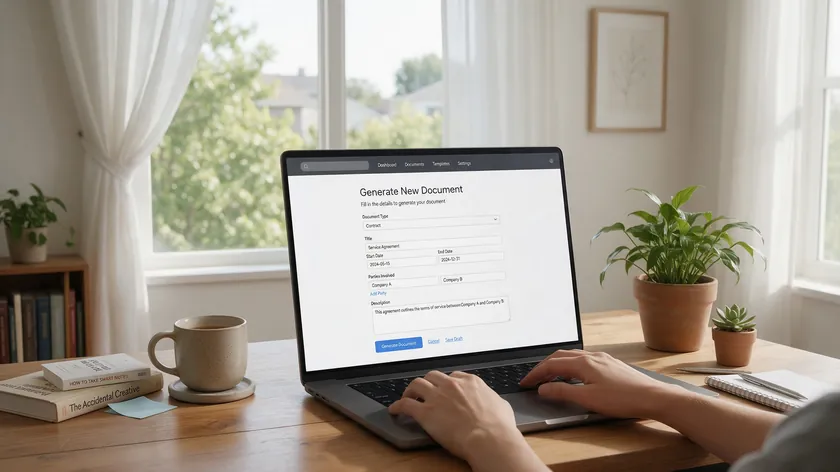
Documentify does not offer a single checkbox labeled “temporary power of attorney.” Instead, you achieve temporary status by carefully drafting the time limits within the Limited Power of Attorney tool.
- Step 1: Go to https://documentify.com/generate-power-of-attorney and choose “Limited Power of Attorney.”
- Step 2: In the powers description, clearly state the specific tasks and the time period—for example, “to manage my checking account ending in ‑4321 and pay my monthly rent from March 1, 2026, through May 31, 2026.”
- Step 3: If you need a medical power of attorney for a short hospital stay, select the appropriate medical power option and again describe the temporary period in the text.
- Step 4: Download and review the generated document, confirming the effective date and end date are spelled out exactly as intended.
- Step 5: Follow your state’s legal requirements to sign, witness, and notarize the document. Provide copies to your agent and any institutions that will rely on it.
Store the signed POA with your other estate plan documents and calendar the end date so you can decide whether to renew, replace, or simply let the authority expire.
Key Takeaways
- A temporary power of attorney is a regular POA deliberately limited to a short, defined time window (for example, June 1–August 31, 2026)—not a separate “magic” document type.
- Common scenarios include overseas travel, military deployment during a single tour, short hospital stays, a single business season, or one tax/real estate transaction.
- “Temporary” and “durable” are separate, combinable choices: temporary answers how long the POA lasts, while durable answers what happens if you become incapacitated.
- Without clearly set start and end dates—or an end event—a POA may function like an open‑ended grant of authority until revoked under state law, unintentionally turning a “temporary” grant into a long‑term one.
- With Documentify, you start with the Limited Power of Attorney tool, describe the time‑bound task and period in the powers section, and still need to follow your state’s signing and notarization rules.
Ready to create your time‑bound POA? Start a Limited Power of Attorney at Documentify, describe your specific time window and tasks in the powers section, then sign and notarize according to your state’s law.
FAQ
These FAQs cover practical questions about temporary power of attorney that were not fully addressed above. Each answer is kept to a short paragraph.
How long can a temporary power of attorney last?
In most states, a temporary POA can last as long as the document says—weeks, months, or even a few years—until the stated end date, revocation, or death. Some specialized POA forms (like DMV or tax-limited power of attorney) may have statutory maximum durations set by state law.
There is no universal cap, so the many powers you grant and the time frame you choose are up to you and your circumstances.
Can a temporary power of attorney be durable?
Yes. You can draft a temporary durable power of attorney that is both time‑limited and remains in effect if you become incapacitated during that period.
For example, a durable POA that runs only from January 1 to June 30, 2026, yet expressly states it is a durable power of attorney under your state’s statute, would survive a temporary loss of capacity within that window.
Can I revoke a temporary power of attorney before the end date?
You can revoke any POA at any time as long as you still have legal capacity. Prepare a sworn written statement for revocation, notify your agent, and communicate the revocation to all relevant parties—banks, hospitals, or any institution relying on the document.
This is especially important if you lose trust in the agent before the expiration date arrives.
Do I need a lawyer to create a temporary power of attorney?
The law in most states does not require a lawyer to complete power of attorney forms, including limited or temporary ones. However, professional advice is strongly recommended for complex estates, blended families, multi‑state property, or when combining financial and medical powers in a single life event like a long hospitalization.
What happens if my temporary POA expires while a transaction is still in progress?
Once the end date passes, the agent’s authority to act under that attorney form stops. Institutions may refuse to honor any further actions.
Build a comfortable time buffer into your expiration language—or be ready to sign a new limited power of attorney if delays occur. Planning ahead avoids leaving a transaction stranded.