A power of attorney typically costs anywhere from free to over $600 depending on whether you use a DIY form, an online platform, or hire an attorney.
The cost of obtaining a power of attorney varies significantly by preparation method and complexity. Below, we break down exactly where that money goes so you can make the right choice for your situation.

Table of Contents
- How Much Does a Power of Attorney Cost Overall?
- Cost Comparison by Method (DIY, Online, Attorney)
- What Drives Power of Attorney Cost Up or Down?
- Typical Costs by Type of Power of Attorney
- State-to-State Price Differences
- Attorney-Prepared POA: What You’re Paying For
- Online and DIY Power of Attorney Costs
- Extra Costs: Notarization, Witnesses, and Recording
- Buying a Single POA vs. an Estate Planning Package
- How Much Does a Power of Attorney Cost with Documentify?
- When Paying More for a Lawyer Makes Sense
- How to Choose the Most Cost-Effective POA Option
- Key Takeaways
- FAQ
How Much Does a Power of Attorney Cost Overall?
The average cost of a power of attorney is about $300 when drafted by a lawyer, but the full range stretches from $0 to well over $1,000. Creating a power of attorney can range from nearly free to several thousand dollars depending on complexity, and understanding the ballpark figures before you start saves time and surprises.
Here are the national ranges for common financial and medical POA documents:
- DIY templates and state statutory forms: $0 to $75
- Paid online platforms with guided builders: $30 to $150
- Attorney-drafted standalone POA: $200 to $600
- POA bundled inside an estate planning package: $400 to $1,200+
These figures apply to people with relatively straightforward assets—one or two bank accounts, a single home, and a simple agent designation. Complex or specialized powers of attorney can cost $500 to $1,000 or more when business interests, multiple properties, or highly customized instructions are involved.
Only about 26% of U.S. adults currently have a will, and roughly half have a power of attorney in place. If you’re part of the majority who don’t, the good news is that a properly drafted document doesn’t have to break the bank. For a full overview of what a POA actually is and how it works, see our guide on what power of attorney means.
Cost Comparison by Method (DIY, Online, Attorney)

There are three main ways to get a power of attorney: free or low-cost DIY forms, paid online platforms like Documentify, and hiring a local estate planning attorney. Each method hits a different price point, offers a different level of customization, and carries its own risks.
| DIY / Free Templates | Online Platforms | Estate Planning Attorney | |
|---|---|---|---|
| Typical Price | $0–$75 | $30–$150 | $200–$600+ |
| What’s Included | Basic fill-in form; no legal guidance | Guided questionnaire, state-specific language, downloadable formats | Intake meeting, legal advice, drafting, revisions, estate plan coordination |
| Customization | Low—generic powers, limited agent options | Medium—select powers, add backups, durable/special instructions | High—fully tailored to your finances, family, and state law |
| Main Risks | Errors, missing state-required language, institutional rejection | May omit nuances for complex assets; execution is still your responsibility | Higher cost; scheduling required; pricing may vary widely between firms |
Attorney-prepared documents often sit inside a broader estate plan that includes wills, trusts, and advance directives. DIY options are usually single document downloads.
Flat fee pricing is now the norm for both attorneys and online platforms on standard POAs, which makes comparing the per-document cost straightforward.
What Drives Power of Attorney Cost Up or Down?

Price depends more on complexity and service level than on the type of form alone. Several factors push the number higher or lower, and knowing them helps you estimate your own total before you contact anyone.
Key cost drivers include:
- Complexity of powers granted. Granting authority over investments, real estate sales, or business operations takes more drafting time than a simple financial POA covering everyday bills.
- Number of agents. Naming co-agents, backup agents, or multiple names for successor roles increases coordination and drafting work.
- Coordination with other estate planning documents. When the POA must mesh with a last will, trust, or advance directive, extra review ensures nothing conflicts.
- State law requirements. Some states demand specific statutory language, additional witnesses, or recording for real property authority, all of which add steps and cost.
- Attorney pricing variables. A law firm in Manhattan will typically quote more than a solo practitioner in a rural county. Whether the lawyer uses a flat fee or hourly billing also matters—hourly rates for estate planning attorneys can run $250 to $400 per hour in metro areas.
Adding business interests, rental property across several counties, or multi-state assets almost always increases drafting time and therefore attorney cost. A power of attorney can prevent family disputes over financial decisions, but only if the document is thorough enough to anticipate real-world scenarios.
Typical Costs by Type of Power of Attorney

Different POA types—financial, medical, durable, limited, and temporary—tend to land in slightly different fee bands because the type of power of attorney influences its cost due to varying complexity.
For a full breakdown of each category, see our articles on different types of power of attorney and durable power of attorney vs. power of attorney.
Financial Power of Attorney
A standalone financial power of attorney granting legal authority over bank accounts, investments, and the ability to pay bills typically costs $200 to $500 through an attorney. Online platforms offer a financial POA for roughly $30 to $150, while DIY templates sit at the lowest end.
Many attorneys price a financial POA alongside a medical POA as a pair, often at a modest discount compared with buying each document separately. If your financial affairs are straightforward, the lower end of these ranges is realistic.
Healthcare/Medical Power of Attorney
A medical power of attorney allows a trusted person to make healthcare decisions on your behalf, including choices about medical care and treatment if you can’t speak for yourself. Pricing mirrors the financial POA range because the drafting effort is similar.
When bundled together, a financial and healthcare POA from the same attorney might run $350 to $600 total instead of $400 to $1,000 if purchased as two standalone documents. A healthcare POA is sometimes packaged with a living will or advance directive for an additional modest charge.
Limited and Durable Power of Attorney
A limited power of attorney restricts the agent’s decision-making authority to a specific task or an extended period—such as closing a real estate deal—and usually costs the same or slightly less than a general POA.
A durable power of attorney remains effective if you become incapacitated, while a non-durable power of attorney expires if you become incapacitated.
A springing POA activates only upon your incapacitation, and the conditional trigger language adds drafting complexity. Expect the added durability or springing provisions to increase an attorney’s fee by roughly $50 to $200 compared with a basic general POA. For a deeper look at these distinctions, see our guide on durable vs. standard power of attorney.
State-to-State Price Differences
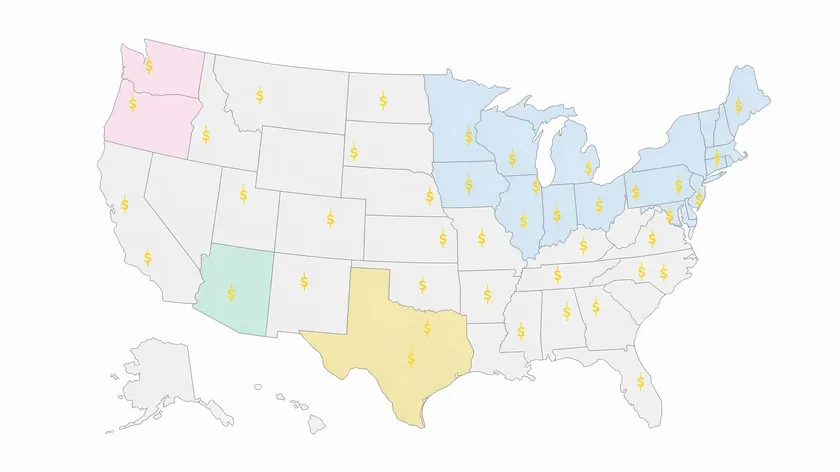
There is no single national fee schedule for a power of attorney. Legal fees vary based on geographic location and local cost of living, and those differences show up clearly in what attorneys charge.
In a 2026 survey of 909 estate planning law firms, the median attorney cost for a single POA was $300, with the middle 50% falling between $250 and $400. High-cost metro areas in states like California, New York, and Massachusetts commonly quote $500 or more for the same document.
Cost differences within a single state—between firms in the same city—are often larger than differences between states. Two firms ten blocks apart might quote $250 and $600 depending on specialization and overhead.
A few states also provide statutory POA forms at no cost through government websites, eliminating drafting fees entirely for simple situations.
Online platforms like Documentify help sidestep regional price spikes by offering the same state-compliant form at a uniform fee regardless of where you live. That levels the playing field for people in expensive legal markets.
Attorney-Prepared POA: What You’re Paying For

When you hire an attorney, the higher attorney cost reflects advisory time, risk management, and document quality—not just a printed form. You’re paying a professional legal counsel to understand your situation and build a legal document that actually works when it matters.
Here’s what a typical flat fee covers:
- Initial intake meeting or phone call
- Evaluation of what powers you actually need
- Drafting the POA with state-compliant language
- One or more rounds of revisions
- Guidance on proper execution (notarization, witnesses)
- Coordination with your existing wills, trusts, or broader estate plan
Consulting an attorney ensures compliance with state laws and anticipates how financial institutions will treat the document. Hiring an attorney can cost between $150 and $500 for straightforward attorney documents, while complex matters push into hourly billing territory.
Many firms now use flat fee pricing for routine POAs, though pricing transparency varies widely—some firms only disclose their flat fee after an initial consultation. The hourly rate typically kicks in only for unusual legal issues or contested situations.
The specific value of attorney work is personalization. A well-drafted POA anticipates institutional hurdles, tailors powers to avoid overreach, and includes fallback instructions.
That kind of care can prevent the need for expensive guardianship proceedings later, which can easily dwarf the original legal fees.
Online and DIY Power of Attorney Costs

Many people start with DIY or online tools to keep costs down, and for simple needs, that approach works well. The key is understanding what you’re getting—and what you’re not.
Common DIY options include free state statutory forms, generic online templates, and paid document builders with guided questions. Cost estimates break down like this:
- Free templates: $0 (state government sites, legal aid organizations)
- Basic paid templates: $10 to $50 for a single download
- Guided platforms with state-specific compliance: $30 to $150
- Basic POA packages on some online legal service platforms start at $39
The main tradeoff is less individualized legal advice in exchange for much lower prices and immediate access. If you only need a simple financial or medical POA and your affairs are uncomplicated, an online template or guided builder covers the basics at a fraction of full-service pricing.
That said, generic DIY templates often fail to meet legal requirements for specific states. Users still need to handle notarization and witnesses correctly—see our detailed guide on whether a power of attorney needs to be notarized for state-by-state rules.
Extra Costs: Notarization, Witnesses, and Recording

The sticker price of the POA form is only part of the overall cost. Execution steps—getting the document notarized, witnessed, and sometimes recorded—add fees that many people forget to budget for.
Notary Fees
Notarization of a power of attorney often costs $5 to $25 per signature, with most states setting caps in that range. A standard in-office visit to a notary public typically runs $5 to $10 per notarial act.
Mobile notarization (where the notary travels to you) adds $25 to $75 or more, and hospital or after-hours visits can push fees even higher. Remote online notarization, where available, generally costs slightly more than an in-person session.
Witness Fees
Some states require independent witnesses for notarization, affecting costs. One or two witnesses are common. If you use friends or family, there’s usually no charge.
Hiring a professional witness through a signing service may add a modest fee—typically under $25—but this is a small fraction of total cost upfront compared with the attorney or document fee.
Recording Fees
When the POA grants authority over real estate, recording with a county recorder may be required. Fees vary depending on jurisdiction. Texas counties charge $25 for recording a power of attorney, and many other jurisdictions fall in the $10 to $50 range for the first page.
If you hold property in multiple counties or states, recording fees multiply accordingly. Financial or medical POAs without real property authority rarely need recording at all.
For a full breakdown of notarization and witness rules by state, check our article on POA notarization requirements.
Buying a Single POA vs. an Estate Planning Package
Many families face a choice between purchasing a single POA and investing in a full estate planning package. The right answer depends on how many documents you actually need.
A typical estate planning package combines a last will or trust with a financial POA, medical POA, and sometimes a living will, beneficiary reviews, or guardianship designations. POA costs may increase when bundled with other estate planning documents in absolute terms, but the per-document cost drops significantly.
For perspective: a single POA at a median of $300 versus an attorney package at roughly $750 to $1,175 that contains multiple estate planning documents, including wills, trusts, and both POA types. That’s substantially less per document than buying each one separately.
Coordinating your POA with wills, trusts, and beneficiary designations avoids conflicts and saves money over time. If you need a broader estate plan anyway—especially for tax planning, government benefits protection, or important decisions about who manages your finances—compare the total cost of separate documents versus an integrated bundle before deciding.
How Much Does a Power of Attorney Cost with Documentify?

Documentify offers a guided online builder that produces state-compliant POA documents at a fraction of what a law firm charges. Here’s how the pricing works:
- $1.99 for 7-day access to generate and download your document (auto-renews to $39.99/month if not canceled)
- $8.99/month for unlimited documents, billed as a one-time annual payment of $108
- 7-day money-back guarantee on all plans
Every plan includes state-specific prompts, a guided questionnaire, downloadable documents in DOCX, TXT, and PDF formats, hosted document sharing via link, and the ability to regenerate forms when life changes require updates—with free updates within your plan.
Compare that to the $200 to $600 range for a single attorney-drafted POA. With Documentify, you can create both a financial and a medical POA for a small fraction of a single attorney consultation. For many families with straightforward needs, that cost difference is significant.
Documentify’s outputs are designed to satisfy financial institutions and healthcare providers when executed and notarized correctly.
It bridges the gap between free generic templates (which often lack state-specific language) and full-service firms (which many people simply can’t afford), letting you provide peace of mind without overspending.
When Paying More for a Lawyer Makes Sense

Low-cost options cover the majority of straightforward situations, but they aren’t always the best fit. There are clear scenarios where the higher attorney cost pays for itself many times over.
Consider hiring an estate planning attorney if you have:
- A blended family with stepchildren or multiple marriages where family conflict could arise
- Special-needs beneficiaries whose government benefits could be jeopardized by a poorly worded POA
- Business ownership requiring detailed succession or management authority
- Substantial assets across multiple states needing multi-jurisdiction compliance
- A need for layered safeguards like accounting requirements, liability protections, or detailed termination triggers
Without a power of attorney, families may face costly guardianship proceedings. A failed or missing power of attorney can cost families over $5,000 in guardianship fees—far more than even the most expensive attorney-drafted POA.
A lawyer can also review and refine a draft created through Documentify. This turns an affordable online form into a starting point that gets customized with bespoke legal advice, blending cost-effectiveness with professional legal counsel for higher-stakes situations.
How to Choose the Most Cost-Effective POA Option
Think of this as a decision checklist rather than a one-size-fits-all recommendation. Your finances, family structure, and comfort level with legal documents should drive the choice.
- DIY / free templates: Best for very simple needs—single agent, basic financial matters, no real property authority. Works if you’re confident filling out forms correctly.
- Online platform like Documentify: Best for most straightforward situations where you want state-specific guidance, the ability to create multiple POA documents, and easy regeneration when information changes. Covers the needs of many families without the scheduling and cost of a law firm.
- Attorney: Best for high-risk or unusual circumstances—large estates, business ownership, blended families, multi-state assets, or anywhere the stakes of getting it wrong justify professional legal counsel.
When evaluating cost, consider the full cost upfront: form, notarization, any recording fees, future updates, and the potential cost of disputes if the document fails. Cost estimates that only look at the sticker price miss the bigger picture.
A power of attorney allows trusted individuals to manage your affairs when you can’t. Revisit and update your POA whenever life changes—marriage, divorce, a move to a new state, new children, or major asset changes. Easy, low-cost updates are a key advantage of online solutions like Documentify.
Don’t wait until a medical or financial emergency makes your choices more limited and more expensive. Acting now—even with a simple online form—is almost always cheaper than the alternative.
Key Takeaways
- A power of attorney cost ranges from $0 to $75 using free or low-cost DIY forms, $30 to $150 via online platforms, and about $200 to $600+ with an attorney.
- Attorney cost usually rises with complexity, multiple agents, business ownership, and coordinating the POA with a full estate plan.
- Notary and witness fees are usually small ($0 to $25 per document) but still part of the real total cost.
- Documentify’s online builder provides state-compliant POA forms starting at $1.99 for 7-day access—a fraction of full-service law firm fees—while still fitting into broader estate planning.
Ready to get started? Generate a state-compliant power of attorney at Documentify starting at $1.99 for full 7-day access, with the option to upgrade to unlimited documents at $8.99/month billed annually.
FAQ
These frequently asked questions cover common cost and process details that didn’t fit neatly into the sections above. If you’re still unsure about pricing, updates, or what you actually need, start here.
Does it cost more to name multiple attorneys-in-fact?
Most online platforms, including Documentify, don’t charge extra for naming backup agents or successor decision-makers. However, attorneys may charge more if coordinating complex co-agent powers or adding dispute-resolution clauses that spell out what happens when agents disagree.
Adding several successor agents rarely changes notarization or filing fees, so any cost increase mainly comes from extra drafting time. Balance the small added expense of custom language against the protection of having clear backup decision-makers for your financial and medical decisions.
How often will I have to pay to update my power of attorney?
There’s no legal schedule for renewing a POA, but most people revise after major life changes—marriage, divorce, moving states, new children, or significant asset changes. Keeping the document current is a low-cost way to make sure your estate planning stays aligned with reality.
Lawyers may charge a smaller flat fee or hourly rate for revisions. Platforms like Documentify let you regenerate updated forms within your plan, making it simple to keep your POA documents current without paying a new drafting fee each time.
Is a free power of attorney form really good enough?
State-issued or legal aid templates can work for very simple situations if filled out and executed exactly as required by state law. They’re a legitimate option when your affairs are minimal and you only need a single agent with basic financial power.
That said, free generic forms often lack state-specific language, durability options, or coordination with the rest of your estate plan. This can lead to rejection by financial institutions or healthcare providers. A low-cost platform like Documentify offers a middle ground—adding guidance and state compliance without full attorney pricing.
Can I use one POA form in every state, or will that increase my costs?
Many financial institutions prefer forms based on the law of the state where the principal lives, and moving states can justify creating an updated POA.
While some states honor out-of-state documents, relying on outdated language increases the risk of delays or outright refusals when you need the document most.
Budget a modest fee to refresh your POA after relocation rather than waiting for a crisis. For more on how states handle recognition of out-of-state POAs, see our article on what power of attorney means—especially the section on how authority works across jurisdictions.
What if I can’t afford a lawyer for my power of attorney?
Options include free legal aid clinics, state statutory forms available on government websites, and low-cost online POA creators designed for budget-conscious users.
Having some valid POA is usually far better than having none, given that a failed power of attorney can cost families over $5,000 in guardianship fees if you become incapacitated without one.
Documentify is built for exactly this situation—keeping costs predictable while still producing a state-compliant, customizable power of attorney document.
Starting at $1.99 for 7-day access, it’s one of the most affordable ways to make sure a trusted person can step in and handle your financial affairs or healthcare decisions when it counts.