
A principal can revoke a power of attorney at any time by putting the revocation in writing while they still have mental capacity, then notifying the agent and every institution that relies on the original document. Below is a practical guide covering each step of that process.
Table of Contents
- When You Can Revoke a Power of Attorney
- Step-by-Step: How to Revoke a Power of Attorney in Writing
- Who to Notify and What to Send After Revocation
- Recording and Stopping Use of a Power of Attorney
- What Happens to the Original POA and Its Copies
- Other Ways a Power of Attorney Can End
- Can Someone Else Revoke a Power of Attorney for You
- Choosing a New Agent or Leaving the POA Revoked
- Key Takeaways
- FAQ
When You Can Revoke a Power of Attorney

You can revoke power of attorney whenever you choose, regardless of the document’s stated end date, as long as you are mentally competent to make that decision. Circumstances change—relationships change, an agent shows poor judgment, an agent becomes unavailable or incapacitated, or you simply want someone else managing your financial affairs or medical decisions.
If an agent steals money or acts against your best interest, revoking the POA is not just advisable but necessary.
Revocation is an active, deliberate act. It is different from a POA ending automatically by operation of law, such as when the principal dies, a non-durable power of attorney lapses after incapacity, or a stated expiration date passes. Those are termination events, not revocations.
Mental capacity in this context means you understand what authority was granted under the POA, who the agent is, and what it means to end that authority. You do not need a medical diagnosis—just a sound mind at the moment you sign the revocation.
If there is any doubt about capacity, a doctor’s letter or consulting an attorney before starting the revocation process can prevent challenges later. Acting early—before capacity becomes questionable—makes attorney revocation simpler and far less likely to be contested in court.
Step-by-Step: How to Revoke a Power of Attorney in Writing
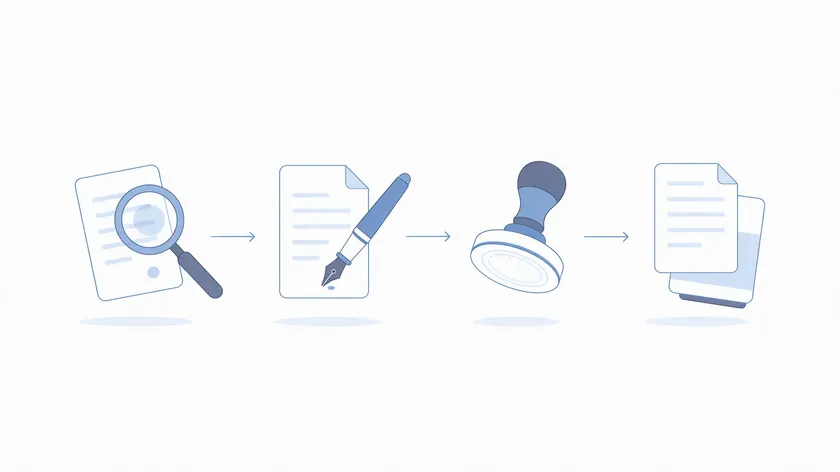
Revocation of a power of attorney requires a formal written document. An oral statement or an informal email is not enough for banks, hospitals, or other financial institutions to accept. The following steps walk you through the process.
Step 1: Review the Original Power of Attorney
Pull out the original POA and note the date it was signed, the agent’s full name, whether the document is a durable power or a general POA, and what specific authority it grants. Check whether the document includes its own revocation clause or method.
Also confirm whether the original power of attorney was recorded with a county office or provided to any third parties—this will determine which follow-up steps are required.
Step 2: Draft the Revocation Document
A Revocation of Power of Attorney form invalidates the original POA once properly executed. Your revocation document should include your full legal name and address, the date, and a clear statement such as: “I hereby revoke all authority granted to [agent’s name] under the power of attorney dated [original date].”
The written revocation must clearly identify the original power of attorney by date, agent name, and type of document. If you are also executing a new POA, you can state in the new power of attorney document that it revokes all prior POAs, but a separate revocation form is still the safest approach.
Step 3: Sign, Date, and Notarize the Revocation

Sign the revocation in the presence of a notary. Notarization of the revocation document is highly recommended even in states where it is not strictly required, because banks and other institutions routinely refuse to honor a revocation that lacks a notary seal.
Having a witness present adds another layer of protection. For details on when notarization is legally required, see our guide on whether a POA needs to be notarized.
Step 4: Make Copies and Organize Your Records
Make several copies of the signed, notarized revocation. Keep the original revocation alongside a copy of the original POA in a secure location. You will need these copies for every person and institution you notify in the next step.
A well-worded written revocation combined with proper notice and careful record-keeping is usually all it takes to end the agent’s legal authority and make the process legally sound.
Who to Notify and What to Send After Revocation
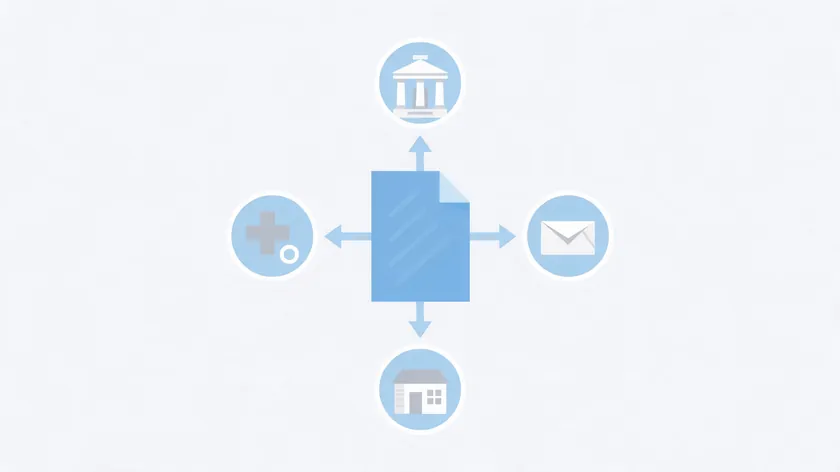
Revocations take effect once the former agent and third parties receive actual notice. A revocation sitting in your desk drawer does nothing to stop an agent from walking into a bank with the old POA. Third parties must be notified to prevent unauthorized actions by the former agent.
| Who to notify | What to send |
|---|---|
| Agent and any successor agents | Copy of revocation, short letter stating the date their authority ends |
| Banks and other financial institutions | Copy of revocation, cover letter, proof of identity |
| Brokerage firms | Copy of revocation, cover letter, account details |
| Insurance companies | Copy of revocation, notice to stop recognizing agent |
| Medical providers (healthcare POA) | Written revocation, notice that agent may no longer make medical decisions |
| County recorder (if POA was recorded) | Copy of revocation referencing the original instrument number |
| Any other parties holding a copy | Revocation document, request to flag old POA as invalid |
Notify the Agent and Alternate Agents
The former agent must be notified of the revocation. Send the agent—and any alternate agents named in the previous POA—a copy of the revocation plus a letter stating the exact date their authority ends. Ask for written confirmation that they will stop acting on your behalf.
Notify Banks, Brokerages, and Other Institutions
Provide copies of the Revocation Form to all parties involved. Mail or hand-deliver copies to every institution that accepted the original POA, and use certified mail with return receipt or another trackable method so you have dated proof of delivery.
Ask each institution to update its internal records and flag the old POA as revoked. Good documentation of who was notified and when is your strongest defense if a dispute arises.
Keep in mind that revoking a POA does not invalidate actions the agent took before notice was given—only future dealings are affected.
Recording and Stopping Use of a Power of Attorney

Some POAs—especially those used for real property transactions—are recorded with a county recorder or land records office. If the original POA was recorded, the revocation should also be recorded in the same office.
Recording the Revocation With the County
File the revocation with the county recorder, referencing the book and page or instrument number of the original POA. Recording creates a public record so buyers, title companies, and other parties can verify that the agent’s authority has ended.
In Minnesota, for example, a recorded revocation counts as notice for the real estate it describes, but only within the county where it was recorded. Local rules on formatting and filing fees vary, so call your county recorder’s office or check its website before you go.
Stopping the Agent From Using the POA
Tell your agent explicitly to stop using the POA immediately and not to sign any new documents as attorney-in-fact after the effective revocation date. Recording the revocation plus written notice to key institutions offers strong protection against any unauthorized use of a revoked POA.
What Happens to the Original POA and Its Copies

Destroying the original POA alone does not replace a written revocation—but managing originals and copies is still an important part of the revocation process.
Some states, such as North Carolina, allow a principal to revoke an unrecorded POA by destroying it with the intent to revoke, but only under strict conditions. Physical destruction alone is rarely the safe route, so always put the revocation in writing.
Retrieve the original POA from your files, safe deposit box, or attorney’s office. Mark it clearly “REVOKED” with the date, and store it together with the signed revocation document.
Ask the former agent to return or destroy any copies they hold and to confirm in writing that they will no longer rely on the revoked document. Ask banks, hospitals, and other third parties to remove or flag the old POA in their systems once they receive the revocation.
Keep at least one copy of the original POA and the revocation together. If questions arise later, you can prove exactly what was revoked and when.
Careful handling of the original POA and its copies supports the formal attorney revocation and closes practical gaps that a legal document alone cannot.
Other Ways a Power of Attorney Can End

A POA can also terminate without a deliberate revocation. Common automatic termination events include death of the principal, an expiration date written into the document, completion of the specific purpose the POA was created for, a court order, and—for a non-durable POA—the principal’s incapacity.
In some states like Florida, the filing of a divorce petition can automatically end a spouse-agent’s authority unless the POA says otherwise, which is especially relevant when a change in relationship necessitates revoking a spouse’s POA.
For a deeper look at how different types of POA respond to incapacity or time limits, see our articles on durable vs. non-durable POA and temporary POA. Even when termination would happen automatically, many people choose an earlier written revocation to avoid any confusion about timing.
Can Someone Else Revoke a Power of Attorney for You
In general, only the principal can revoke a power of attorney while they have mental capacity. Family members—adult children, siblings, or a spouse—cannot simply sign a revocation on the principal’s behalf, even if they disagree with how the agent is acting or believe the agent is not serving the principal’s well-being.
When the principal is already incapacitated and unable to act, concerned relatives typically must petition a court for guardianship or conservatorship to limit or remove the agent’s authority. Our guide on getting POA for an elderly parent covers those considerations in detail.
If abuse or serious misuse of assets or finances is suspected, relatives should seek legal advice quickly rather than attempting informal or partial revocations. This content does not constitute legal advice, and a qualified attorney can assist with the specific circumstances of each case.
Choosing a New Agent or Leaving the POA Revoked

Many people revoke power of attorney because they want to appoint a new agent. Others prefer to leave no active POA in place for a period of time.
Appointing a New Agent
If you want a new agent, create and sign a new power of attorney that expressly states it revokes all prior POAs as of a specific date. A new power of attorney may implicitly revoke the previous one if it includes that language, but notifying every institution that held the old document is still essential.
Share the new POA with the same banks, doctors, and other parties so they always know which document is current under the law of your state.
Leaving the POA Revoked
Some people intentionally leave no POA in place for a while. This is fine as a short-term decision, but it creates a gap—if you are suddenly incapacitated, no person has legal authority to manage your property, finances, or important decisions on your behalf, which could lead to costly court proceedings.
Treat revocation and any new appointment as part of a broader estate planning review, not a one-off step. A qualified professional can help you think through future estate planning documents and limited or durable power arrangements that reflect your current life and relationships.
Key Takeaways
- Revoking a POA requires a clear written revocation signed and dated by the principal while they still have mental capacity, plus proper notification to every party who relied on the original.
- The revocation must be served on the agent and delivered—ideally by certified mail—to banks, brokerages, medical providers, and any other institution holding a copy.
- If the original POA was recorded for real estate, the revocation should be recorded in the same county office.
- Only the principal can revoke; family members who suspect abuse must go through court if the principal lacks capacity.
- Executing a new POA that expressly revokes prior ones is often the wisest move, so there is no gap in decision-making authority if something unexpected happens.
Need a valid, ready-to-sign revocation that financial institutions will actually accept? Use Documentify’s ‘Revocation’ power of attorney generator to create your document in minutes, then follow the important steps above to deliver it.
FAQ
Below are answers to common follow-up questions about how to rescind power of attorney and what happens afterward.
Can a power of attorney be overturned easily
Yes. If the principal has mental capacity and follows the steps—written revocation, signature, and proper notice to the agent and third parties—the revocation process is straightforward.
It becomes more difficult when there are disputes about capacity, suspected abuse, or when institutions have not received formal notice. In those cases, a court may need to get involved.
Do you have to write a letter to revoke a power of attorney
In many states, revocation must be in writing and served on the agent. A short revocation letter or formal revocation form is the safest way to prove the POA was canceled.
Oral statements or simply tearing up the original POA are extremely hard to prove to banks or hospitals and should never be relied on alone.
What terminates a power of attorney without revocation
Typical automatic termination events include death of the principal, a stated expiration date, completion of the specific task the POA was created for, and—in non-durable POAs—the principal’s incapacity.
Local law and the document’s wording can add other triggers, such as divorce from a spouse-agent. Always check your document for built-in end dates or conditions.
Can a family member revoke a power of attorney
Family members generally cannot revoke a POA that someone else granted unless they hold separate legal authority such as a court-appointed guardianship. Concerned relatives who believe an agent is abusing their authority should speak with an attorney about asking a court to review or limit the POA, especially when the principal’s interests and well-being are at stake.
Is a new power of attorney enough to revoke an old one
Many new POA documents include language that automatically revokes any prior POAs as of the signing date. However, this may not protect the principal if old copies remain in circulation at banks or other institutions.
Issuing a separate written revocation and notifying anyone who relied on the previous POA is the safest path.